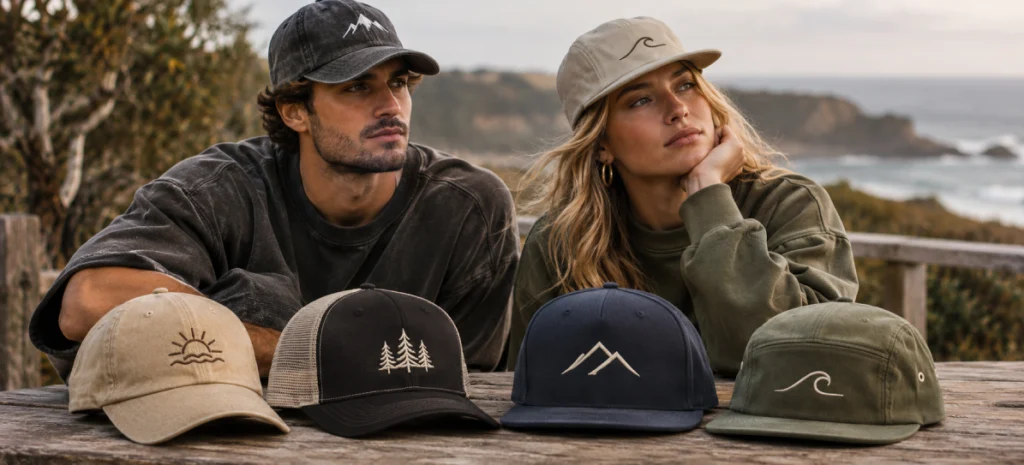
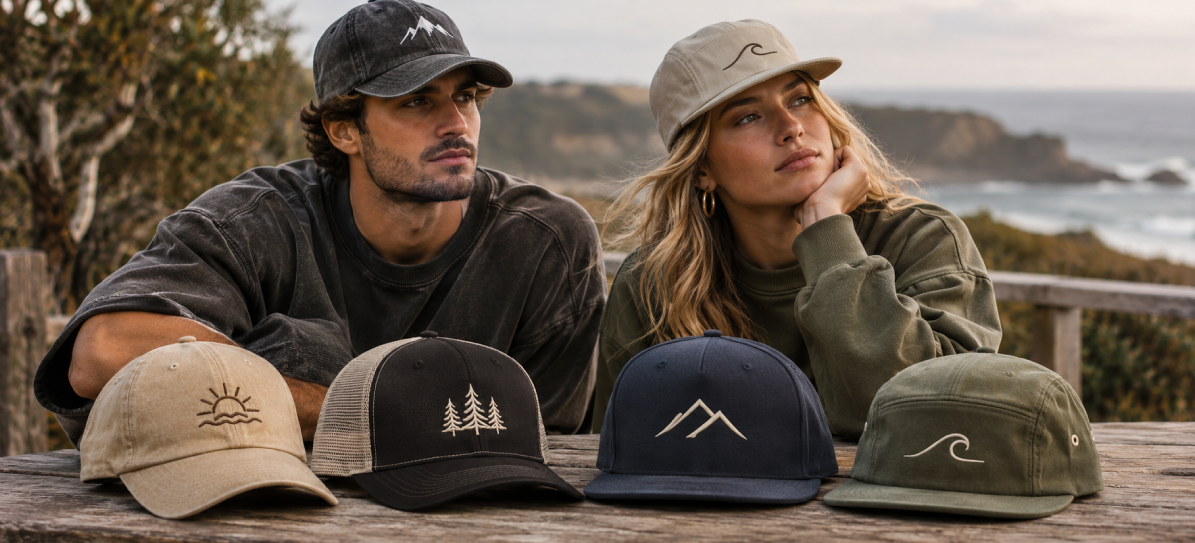
Choosing the perfect cap style for your clothing brand is more than simply selecting a fashionable accessory. It is an important branding decision that can influence how customers recognise your business, connect with your products and express their personal style. Whether you are launching a new streetwear label, expanding an established fashion collection or creating branded merchandise, the right cap can become one of the most recognisable products in your range.
Caps have become an essential part of modern fashion. They are worn with casual outfits, streetwear collections, sportswear, workwear and everyday clothing. Their versatility makes them an excellent addition to clothing brands that want to offer stylish products while building stronger brand visibility.
However, not every cap style suits every clothing brand. A flat-brim snapback may be perfect for a bold streetwear label, while a relaxed dad cap could be a better choice for a minimalist fashion business. Similarly, trucker caps are popular for outdoor-inspired collections, whereas classic baseball caps offer a timeless look that appeals to a broad audience.
The key is to understand your brand identity, target audience, product quality expectations and overall fashion direction before choosing a particular design.
At Custom Caps Australia, we understand that selecting the right headwear is an important step in developing a recognisable clothing brand. This guide explores different cap styles, materials, fits, branding options and design considerations to help you choose the perfect custom caps for your business.
Why Choosing the Right Cap Style Matters for Your Clothing Brand
A cap is not just an accessory. It can become a signature product that represents your brand’s personality and makes your collection more memorable.
When customers purchase clothing, they often look for products that match their lifestyle and individual preferences. A well-designed cap can complete an outfit, communicate a particular fashion aesthetic and provide customers with another way to represent a brand they enjoy.
Choosing the right cap style offers several advantages.
1. Creates a Recognisable Brand Identity
Your cap designs can help customers recognise your clothing brand. A distinctive silhouette, carefully selected colour combination and attractive logo placement can create a consistent visual identity.
For example, a streetwear brand might use oversized graphics and structured snapbacks, while a premium casualwear label might prefer understated embroidery on neutral-coloured dad caps.
Consistency across your clothing and accessories helps customers develop a stronger connection with your brand.
2. Expands Your Product Collection
Introducing custom caps allows you to expand beyond traditional clothing products such as T-shirts, hoodies, jackets and sweatshirts.
You can create seasonal collections, limited-edition accessories and matching outfits that encourage customers to explore more products from your business.
Caps can also work as standalone fashion products rather than simply being additional merchandise.
3. Appeals to Different Customer Preferences
Customers have different preferences when it comes to headwear. Some prefer classic curved-brim designs, while others enjoy flat-brim streetwear styles.
Offering carefully selected cap styles gives your brand an opportunity to appeal to different customer groups without losing its overall identity.
4. Provides Everyday Brand Exposure
Unlike many fashion accessories, caps are frequently worn outside the home. Customers may wear them while shopping, travelling, attending sporting events or spending time with friends.
When your cap features distinctive branding, it can help increase brand recognition through everyday use.
10 Popular Cap Styles to Consider for Your Clothing Brand
Before selecting your first custom cap collection, it is worth understanding the characteristics of different cap styles.
Each design has its own appearance, fit and branding opportunities. Here are ten popular options worth considering.
1. Baseball Caps – A Timeless Choice for Every Brand
Baseball caps are among the most versatile headwear options available. Their familiar shape, curved brim and comfortable construction make them suitable for almost every type of clothing brand.
They can be designed with structured or unstructured crowns, adjustable closures and different fabric options.
For clothing businesses that want to introduce their first headwear collection, baseball caps are an excellent starting point.
Why choose baseball caps?
- Timeless and widely recognised design.
- Suitable for casualwear, sportswear and lifestyle collections.
- Available in different crown profiles and materials.
- Excellent for embroidered logos and branded patches.
- Easy to combine with everyday outfits.
A clothing brand can create a premium baseball cap using cotton twill, a carefully embroidered front logo and a metal buckle closure. Alternatively, a sporty design featuring polyester fabric and a curved visor can create a more athletic appearance.
Baseball caps are particularly suitable for brands that want a versatile product with long-term appeal.
2. Snapback Caps – Perfect for Modern Streetwear Brands
Snapback caps are especially popular in streetwear and urban fashion collections. They are generally recognised by their structured crown, flat brim and adjustable plastic snap closure.
Their bold appearance provides an excellent opportunity for brands that want to make a strong visual statement.
Snapbacks work particularly well with oversized logos, graphic embroidery, bold lettering and distinctive colour combinations.
Why choose snapback caps?
- Modern and fashionable appearance.
- Flat brim creates a distinctive silhouette.
- Structured front provides a suitable logo surface.
- Adjustable closure offers flexible sizing.
- Excellent for bold branding and streetwear collections.
If your clothing brand focuses on urban fashion, hip-hop-inspired designs or contemporary streetwear, snapbacks can become an important part of your product range.
Consider using contrasting crown and brim colours, raised embroidery or a custom side logo to create a more recognisable design.
3. Trucker Caps – Ideal for Casual and Outdoor-Inspired Fashion
Trucker caps are known for their distinctive combination of a solid front panel and breathable mesh back panels.
Originally associated with practical outdoor and workwear-inspired headwear, they have become a popular fashion accessory for casual clothing brands.
Their breathable construction makes them especially suitable for warm-weather collections and customers who prefer lightweight headwear.
Why choose trucker caps?
- Breathable mesh construction.
- Distinctive retro-inspired appearance.
- Suitable for summer collections and outdoor lifestyles.
- Excellent front branding area on many designs.
- Works well with embroidered and patch logos.
For an Australian clothing brand, trucker caps can be a particularly interesting option for summer releases, coastal-inspired fashion and outdoor lifestyle collections.
You can experiment with foam fronts, cotton twill panels, contrasting mesh colours and custom embroidered patches to create a distinctive product.
4. Dad Caps – A Relaxed and Minimalist Fashion Option
Dad caps are known for their soft construction, relaxed fit and curved brim. Unlike traditional structured baseball caps, many dad caps feature an unstructured crown that creates a more natural appearance.
Their understated design makes them especially attractive to minimalist clothing brands and businesses focused on casual fashion.
Why choose dad caps?
- Relaxed and comfortable appearance.
- Suitable for minimalist branding.
- Excellent for everyday casualwear.
- Works well with small embroidered logos.
- Popular for vintage-inspired collections.
Neutral shades such as beige, black, white, navy and washed olive can help create a premium appearance.
For a sophisticated design, consider a small embroidered logo on the front with subtle branding on the back.
Dad caps are a strong choice for brands that want customers to wear their products regularly rather than only for special occasions.
5. Five-Panel Caps – A Great Choice for Contemporary Clothing Labels
Five-panel caps have a distinctive construction that differs from traditional six-panel baseball caps.
They generally feature a single front panel, creating a clean branding area without the central front seam commonly found on many six-panel designs.
This makes them particularly useful for clothing brands that want to display wider logos, creative graphics or distinctive front-panel artwork.
Why choose five-panel caps?
- Clean front panel for branding.
- Contemporary and fashion-focused appearance.
- Suitable for lifestyle and streetwear collections.
- Works well with embroidery and patches.
- Offers opportunities for creative panel colour combinations.
Five-panel caps are particularly attractive for independent fashion labels, skate-inspired collections and brands that prefer a modern, understated aesthetic.
You can experiment with canvas, cotton twill and contrasting side panels to create an individual look.
6. Six-Panel Caps – A Classic and Structured Design
Six-panel caps are a traditional headwear option commonly used in sportswear, casual fashion and branded merchandise.
Their construction uses six fabric panels joined together to form the crown. Many versions feature a structured front and curved brim, although unstructured variations are also available.
Why choose six-panel caps?
- Familiar and versatile construction.
- Suitable for everyday fashion.
- Available in structured and unstructured designs.
- Works with many embroidery styles.
- Offers different crown profiles and closure options.
For brands that want to create a traditional baseball-inspired collection, six-panel caps are an excellent option.
One important design consideration is the centre seam. If your logo is wide, make sure its dimensions and placement work with the seam rather than allowing it to interfere with important design details.
7. Fitted Caps – For a Premium and Professional Appearance
Fitted caps are designed without an adjustable rear strap. Instead, they are manufactured in specific sizes to provide a closer fit.
They are frequently associated with sports culture, premium team headwear and established streetwear collections.
Why choose fitted caps?
- Clean rear appearance.
- Professional and premium feel.
- Close-fitting construction.
- Suitable for sports-inspired fashion.
- Excellent for established collections with predictable sizing demand.
However, fitted caps require more careful size planning than adjustable designs.
If your clothing brand is launching its first headwear collection, consider your customer demand before choosing fitted caps. Offering several sizes can increase inventory complexity.
8. Bucket Hats – A Fashionable Option for Seasonal Collections
Bucket hats feature a soft crown and downward-sloping brim that extends around the entire hat.
They have become a recognisable part of casual fashion, festival clothing and summer-inspired collections.
Their distinctive silhouette makes them an interesting alternative to traditional baseball-style headwear.
Why choose bucket hats?
- Distinctive fashion appearance.
- Suitable for summer and festival collections.
- Offers opportunities for all-over patterns.
- Works with embroidered and printed branding.
- Can complement streetwear and casual clothing.
For Australian clothing brands, bucket hats can be particularly useful when developing warm-weather collections.
Consider lightweight cotton, canvas or other breathable fabrics. You can also experiment with reversible designs, contrast stitching and small embroidered logos.
9. Rope Caps – A Distinctive Choice for Golf and Lifestyle Brands
Rope caps feature a decorative rope detail running along the front of the brim, creating a recognisable retro-inspired appearance.
They are often associated with golf fashion, outdoor lifestyle collections and modern casualwear.
Why choose rope caps?
- Distinctive decorative detail.
- Suitable for golf and lifestyle brands.
- Works with vintage-inspired designs.
- Offers opportunities for contrasting colours.
- Can create a premium visual identity.
A rope cap can help your clothing brand introduce something different from standard baseball caps.
Try combining a neutral crown with a contrasting rope detail and a carefully positioned embroidered logo.
10. Performance Caps – Designed for Active Lifestyles
Performance caps are developed for customers who prioritise comfort, lightweight construction and functionality.
They commonly use technical fabrics designed to support active use. Depending on the design, they may include moisture-managing materials, ventilation features and lightweight construction.
Why choose performance caps?
- Lightweight and practical.
- Suitable for sportswear and activewear brands.
- Technical fabric options.
- Useful for outdoor activities.
- Complements fitness and athletic collections.
If your clothing brand focuses on running, training, golf or outdoor activities, performance caps can help create a more complete product range.
How to Match Your Cap Style With Your Brand Identity
Understanding different cap styles is important, but selecting the right one requires looking at your brand identity.
Your cap should feel like a natural extension of your existing products.
Here are some practical ways to match headwear with your clothing brand’s personality.
Streetwear Brands
Streetwear labels often focus on individuality, bold graphics, contemporary fashion and distinctive silhouettes.
Suitable cap styles include:
- Snapback caps.
- Five-panel caps.
- Trucker caps.
- Structured baseball caps.
Consider bold embroidery, oversized front logos, contrast stitching and unique colour combinations.
A limited-edition snapback with raised embroidery can become a signature accessory within a streetwear collection.
Minimalist Clothing Brands
Minimalist brands generally focus on simplicity, clean design and understated details.
Suitable cap styles include:
- Dad caps.
- Unstructured baseball caps.
- Five-panel caps.
- Classic six-panel caps.
Use neutral colours such as black, white, cream, grey and navy.
Small embroidered logos, tonal stitching and subtle back branding can help create a premium appearance.
Sportswear Brands
Sportswear businesses need headwear that combines visual appeal with practical functionality.
Suitable cap styles include:
- Baseball caps.
- Performance caps.
- Fitted caps.
- Trucker caps.
Consider lightweight polyester, breathable construction, comfortable closures and durable embroidery.
Premium Fashion Brands
Premium clothing labels often benefit from designs that communicate quality through materials, construction and finishing.
Suitable cap styles include:
- Premium baseball caps.
- Dad caps.
- Five-panel caps.
- Rope caps.
Focus on quality fabrics, refined embroidery, metal closures and carefully selected colour palettes.
Outdoor and Lifestyle Brands
Outdoor-inspired clothing brands should consider products that complement an active and casual lifestyle.
Suitable cap styles include:
- Trucker caps.
- Bucket hats.
- Performance caps.
- Baseball caps.
Breathability, comfort and fabric durability should be important considerations.
Structured vs Unstructured Caps: Which One Should You Choose?
One of the most important decisions when developing custom caps is choosing between structured and unstructured construction.
Both options have different visual characteristics and branding advantages.
Structured Caps
Structured caps include additional support behind the front panels to help the crown maintain its shape.
They usually create a firmer front surface, which can be useful for larger embroidered designs, patches and bold logos.
They are commonly selected for sportswear, corporate headwear and streetwear collections.
Best for:
- Large embroidered logos.
- Raised 3D puff embroidery.
- Structured streetwear designs.
- Sports-inspired collections.
- Bold branding.
Unstructured Caps
Unstructured caps do not have the same stiff front support. Their softer construction allows the fabric to follow the shape of the wearer’s head.
They usually provide a relaxed and casual appearance.
Best for:
- Minimalist clothing brands.
- Vintage-inspired collections.
- Small embroidered logos.
- Casual everyday fashion.
- Relaxed dad cap designs.
Which is better?
Neither construction is universally better. The right choice depends on the appearance you want to create.
If your logo is large and detailed, a structured front may provide a more suitable surface. If your brand focuses on relaxed fashion, an unstructured cap may be a better fit.
Five-Panel vs Six-Panel Caps: Understanding the Difference
Panel construction influences the overall appearance of your cap and the available branding area.
A five-panel cap generally features one main front panel, while a traditional six-panel design uses two front panels that meet at a centre seam.
This difference can influence how your logo looks once embroidered or applied.
Five-Panel Construction
Five-panel caps are useful for wider graphics and designs that benefit from an uninterrupted front panel.
They are often selected by contemporary fashion and lifestyle brands.
Six-Panel Construction
Six-panel caps offer a familiar, traditional baseball silhouette.
They can work particularly well with smaller centred logos, simple embroidery and classic branding.
Before selecting either option, compare your actual logo dimensions with the front panel measurements.
How to Choose the Right Fabric for Your Custom Caps
Fabric selection is another important part of developing a successful cap collection.
The material influences appearance, comfort, durability and the overall quality customers experience.
Here are some popular fabric options.
Cotton Twill
Cotton twill is a versatile material commonly used in everyday caps.
Its woven texture provides a classic appearance and works well with many embroidery applications.
It is suitable for baseball caps, dad caps and casual headwear collections.
Polyester
Polyester is frequently used in sportswear and performance headwear.
It can offer lightweight construction, shape retention and practical performance characteristics depending on the fabric specification.
It is worth considering for athletic and outdoor collections.
Cotton-Polyester Blends
Blended fabrics combine different material characteristics to create versatile headwear options.
They can be useful for brands looking for a balance of comfort, durability and cost considerations.
Canvas
Canvas has a more substantial texture and can complement workwear, outdoor and streetwear-inspired collections.
It is worth considering when your brand wants a slightly more rugged appearance.
Corduroy
Corduroy introduces a distinctive textured surface that can create a premium or vintage-inspired look.
It works particularly well for autumn and winter collections, although the fabric can also be used in fashion-focused year-round designs.
Washed Cotton
Washed cotton creates a softer appearance and a slightly faded finish.
It is an excellent option for vintage-inspired caps, relaxed dad hats and minimalist fashion brands.
When selecting a material, consider the intended season, customer expectations, design requirements and final retail positioning.
How to Choose the Right Cap Colour for Your Brand
Colour plays a major role in how customers perceive your clothing brand.
The right colour combination can make your cap more attractive, easier to style and consistent with your existing collection.
Instead of selecting colours randomly, start with your brand’s established colour palette.
Black Caps
Black is a versatile option that works with streetwear, casualwear and premium clothing collections.
It creates a strong background for white, silver, red and other contrasting embroidery colours.
White Caps
White caps offer a clean and fresh appearance.
They work particularly well with minimalist designs, summer collections and colourful embroidery.
Navy Blue Caps
Navy is a classic colour that can create a more understated appearance than black.
It suits sportswear, lifestyle and traditional clothing brands.
Beige and Cream Caps
Neutral shades such as beige and cream are useful for minimalist and premium fashion collections.
They pair well with brown, black, navy and tonal embroidery.
Olive Green Caps
Olive green is an interesting choice for outdoor-inspired fashion, workwear and contemporary streetwear.
It works particularly well with black, cream and white branding.
Grey Caps
Grey is a flexible option for everyday collections.
It can be combined with black, white or contrasting colours depending on your brand identity.
Design tip: Start with two or three main colours rather than introducing too many variations in your first collection. This can help maintain consistency and make inventory planning easier.
How to Select the Best Logo and Branding Method
Your logo is one of the most important elements of a custom cap.
The branding method you choose should complement the cap material, construction and overall design.
Different decoration techniques create different visual results.
Flat Embroidery
Flat embroidery uses stitched threads to reproduce your logo directly onto the cap.
It is a popular option for traditional branding, small graphics, text and detailed designs that are suitable for embroidery.
It works well on many structured and unstructured caps, provided the fabric and artwork are appropriate.
3D Puff Embroidery
3D puff embroidery uses foam beneath the stitching to create a raised appearance.
It is particularly popular for bold lettering and streetwear logos.
Structured front panels are generally better suited to this technique because they provide additional support.
Woven Patches
Woven patches are produced using woven threads to create detailed designs.
They can be useful for logos with fine elements or lettering that may be difficult to reproduce through traditional embroidery.
They offer a clean and distinctive branding option.
Embroidered Patches
Embroidered patches provide a textured, stitched appearance.
They can be created in different shapes and sizes and attached to various cap styles.
They are suitable for brands that want a traditional or heritage-inspired look.
Leather and Leather-Look Patches
Leather patches can create a premium and rugged appearance.
They are particularly popular for outdoor-inspired headwear, trucker caps and lifestyle collections.
The patch material, finish and attachment method should be selected according to the cap fabric and intended use.
Printed Logos
Printing can be useful for colourful artwork, gradients and graphics that require more detail than traditional embroidery can easily reproduce.
The printing method should be selected according to the material, artwork and expected product use.
Important Design Details That Make Your Custom Caps Stand Out
A successful cap design is not always about having the biggest logo or the brightest colours.
Often, small details make the difference between an ordinary cap and a product customers genuinely want to wear.
Consider the following design elements.
Front Logo Placement
The front of the cap is usually the main branding area.
Choose a logo size that looks balanced with the crown dimensions.
Avoid making your logo unnecessarily large if it affects the overall appearance.
Side Embroidery
Side embroidery can introduce additional branding without making the front design too crowded.
You could use a small symbol, brand initials, a collection name or a meaningful date.
Back Branding
The rear of the cap offers another opportunity to introduce subtle brand details.
Consider adding your brand name, a short phrase or a small embroidered icon above the closure.
Brim Details
The brim can also become part of your overall design.
Options may include contrast stitching, decorative rope details, sandwich brims or subtle under-visor branding, depending on the construction.
Custom Closures
The rear closure influences both appearance and fit.
Popular options include:
- Plastic snapback closures.
- Metal buckle closures.
- Fabric strap closures.
- Hook-and-loop closures.
- Fitted constructions without adjustable straps.
A metal buckle can create a refined appearance, while a plastic snap closure is commonly associated with casual and streetwear designs.
How to Develop Your First Custom Cap Collection
Launching your first headwear collection can feel challenging, particularly if you are building a clothing brand from the beginning.
A structured approach can make the process easier and help you avoid unnecessary design and production mistakes.
Step 1: Understand Your Target Customers
Start by identifying the people you want to sell your caps to.
Think about their age range, lifestyle, fashion preferences and typical clothing choices.
For example, a streetwear brand may attract customers who prefer snapbacks and five-panel caps, while a lifestyle brand may appeal to customers who enjoy dad caps and classic baseball designs.
Understanding your audience helps you make better product decisions.
Step 2: Select Your Main Cap Style
Choose one primary cap style that reflects your brand identity.
You do not need to launch ten different designs immediately.
Starting with one or two carefully developed styles can help you understand customer demand before expanding your collection.
Step 3: Finalise Your Logo Artwork
Prepare a high-quality version of your brand logo.
Vector artwork is particularly useful for production because it allows designs to be scaled without losing quality.
Discuss embroidery requirements with your manufacturer, especially if your logo contains small text, thin lines or complex details.
Step 4: Choose Your Fabric and Colours
Select materials and colour combinations that match your product positioning.
Consider how the fabric will feel, how it will look with your branding and whether it is appropriate for the intended season.
Step 5: Decide on Branding and Placement
Determine whether your cap will feature flat embroidery, 3D puff embroidery, a woven patch or another decoration method.
Also decide whether you want additional branding on the sides, back or brim.
Step 6: Review Your Cap Sample
A sample gives you an opportunity to assess the design before moving forward with bulk production.
Pay attention to:
- Overall cap shape.
- Crown height and fit.
- Fabric quality.
- Stitching and construction.
- Logo size and positioning.
- Colour accuracy.
- Closure quality.
- Comfort and finishing.
Make any necessary adjustments before approving the final design.
Step 7: Plan Your Collection Launch
Once your cap design is finalised, prepare your product photography, descriptions and marketing materials.
Show the cap from different angles so customers can understand its construction and branding.
You can also create styling images showing how it works with your existing clothing collection.
Common Mistakes to Avoid When Choosing Custom Caps
Even an attractive design can become a disappointing product if important details are overlooked.
Here are some common mistakes clothing brands should avoid.
Choosing a Style Only Because It Is Trending
Trends can provide inspiration, but your cap should still match your brand identity.
A fashionable design may attract attention initially, but it may not suit your existing customers or product range.
Ignoring Comfort and Fit
A cap can look excellent in photographs but still disappoint customers if the fit is uncomfortable.
Consider crown height, adjustability, brim shape and overall construction before approving a design.
Using an Oversized Logo
Large logos are not always the best solution.
A well-proportioned logo can create a more premium appearance, particularly on minimalist and lifestyle caps.
Selecting the Wrong Fabric
The fabric should match the intended use of the cap.
For example, a heavy material may not be the best option for a lightweight summer collection.
Overcomplicating the Design
Using too many colours, patches, graphics and embroidery placements can make your cap look cluttered.
Focus on a clear visual direction and select details that support your brand identity.
Ordering Without Checking a Sample
Always review important production details before approving a bulk order.
A physical sample helps you evaluate the finished product rather than relying entirely on a digital mockup.
How Australian Clothing Brands Can Use Custom Caps to Grow Their Collections
Australia has a diverse fashion market, with customers interested in casualwear, streetwear, sportswear and outdoor-inspired clothing.
This creates opportunities for clothing businesses to introduce headwear that suits different lifestyles and seasonal collections.
Develop Summer Headwear Collections
Lightweight baseball caps, trucker caps and bucket hats can complement warm-weather clothing ranges.
Consider breathable materials, comfortable construction and colours that work with summer outfits.
Create Streetwear-Inspired Limited Editions
Limited-edition snapbacks and five-panel caps can add variety to a streetwear collection.
You can experiment with unique embroidery, special colour combinations and distinctive patches to create products that feel exclusive.
Introduce Matching Clothing and Accessories
A matching cap and hoodie combination can create a more complete fashion offering.
For example, you could introduce a black embroidered hoodie alongside a matching black cap featuring the same logo and thread colour.
Build a Consistent Brand Identity
Use consistent logo treatments, colours and design elements across your products.
This helps create a recognisable collection and gives customers a consistent experience when purchasing different items from your brand.
Explore Corporate and Promotional Opportunities
Custom caps can also be useful for businesses, events, sports clubs and promotional campaigns.
A clothing brand that offers custom headwear alongside its fashion collection may discover additional opportunities in branded merchandise.
What Should You Consider Before Ordering Custom Caps in Bulk?
Before placing a production order, it is important to understand the practical details that can affect your final product.
A good manufacturer should be able to discuss these requirements with you.
Minimum order quantity: Ask about minimum quantities for each style, colour and design.
Sample availability: Confirm whether you can review a sample before bulk production.
Fabric specifications: Understand the material composition, weight and construction.
Embroidery details: Confirm the logo dimensions, thread colours, placement and decoration technique.
Sizing and fit: Check whether the cap is adjustable or available in specific sizes.
Production timeline: Discuss sampling, production and delivery expectations.
Quality control: Ask how stitching, construction, colour consistency and finishing are checked.
Packaging: Consider whether you need individual packaging, branded labels or custom tags.
Taking the time to discuss these details can help you make more informed decisions and reduce the risk of unexpected issues.
Why Choose Custom Caps Australia for Your Clothing Brand?
Developing a successful headwear collection requires attention to design, quality, branding and product presentation.
Whether you are launching your first clothing brand or expanding an established fashion business, choosing the right custom caps is an important part of creating products that customers will enjoy wearing.
At Custom Caps Australia, our focus is on helping businesses explore custom headwear options that complement their brand identity.
From classic baseball caps and modern snapbacks to trucker caps, dad hats and other popular designs, selecting the right style is the first step towards developing a distinctive collection.
When planning your custom caps, consider your preferred silhouette, material, colour combination, logo placement and finishing details.
A carefully designed cap can become much more than an additional accessory. It can become a recognisable part of your clothing brand.
Ready to develop your own custom cap collection? Explore the possibilities with Custom Caps Australia and take the next step towards creating headwear that represents your brand.
Frequently Asked Questions About Choosing Custom Cap Styles
1. Which cap style is best for a new clothing brand?
Baseball caps are a versatile starting point because they suit many audiences and clothing styles. However, snapbacks, dad caps and five-panel caps can be better options depending on your brand identity and target customers.
2. Are snapback caps suitable for streetwear brands?
Yes. Snapbacks are a popular option for streetwear because of their structured crowns, flat brims and bold appearance. They also provide a suitable front area for embroidery and other branding methods.
3. What is the difference between a trucker cap and a baseball cap?
A traditional baseball cap usually features a full fabric crown, while a trucker cap typically has a solid front and breathable mesh back panels. Both styles can have curved brims and adjustable closures.
4. Are dad caps suitable for premium clothing brands?
Yes. Dad caps can work particularly well for premium casualwear and minimalist clothing brands. Quality materials, refined embroidery and carefully selected colours can help create a sophisticated appearance.
5. Should I choose a five-panel or six-panel cap?
A five-panel cap usually offers a single uninterrupted front panel, making it useful for wider branding. A six-panel cap has a traditional construction with a centre front seam and works well for classic cap designs.
6. Which fabric is best for custom caps?
Cotton twill is a popular option for everyday caps, while polyester is commonly used for sports and performance headwear. Canvas, corduroy and washed cotton can also be suitable depending on the desired appearance and product purpose.
7. What is the best embroidery method for custom caps?
Flat embroidery is suitable for many traditional logos and text designs. Three-dimensional puff embroidery creates a raised appearance and is popular for bold branding. The best method depends on your artwork, fabric and cap construction.
8. Can I add my clothing brand logo to different cap styles?
Yes. Many cap styles can be customised with embroidery, woven patches, embroidered patches, leather patches or printing. The available options depend on the material and construction of the selected cap.
9. Are adjustable caps better than fitted caps?
Adjustable caps are generally easier to offer to a broad customer base because they accommodate different head sizes. Fitted caps provide a more specific fit but require careful size planning and inventory management.
10. How many cap styles should I launch with?
For a new clothing brand, starting with one to three carefully selected styles can be a practical approach. This allows you to evaluate customer interest and product performance before expanding your range.
11. Are custom caps suitable for Australian summer collections?
Yes. Trucker caps, lightweight baseball caps and bucket hats can be suitable additions to summer collections. Fabric breathability, comfort and construction should be considered when choosing a design.
12. Why should I request a sample before bulk production?
A sample allows you to check the cap’s fit, fabric, stitching, colour, logo placement and finishing. It gives you an opportunity to make adjustments before approving the full production order.
Final Thoughts
Choosing the perfect cap style for your clothing brand requires more than following fashion trends. It involves understanding your customers, defining your brand identity and selecting a design that combines appearance, comfort and quality.
From classic baseball caps and relaxed dad hats to bold snapbacks, breathable trucker caps and contemporary five-panel designs, every style offers different opportunities for your collection.
Start with your brand’s personality, consider what your customers would genuinely enjoy wearing and pay attention to the smaller details that influence the finished product.
Most importantly, focus on creating headwear that feels like a natural extension of your clothing range.
With the right cap style, thoughtful branding and quality construction, your custom caps can become memorable products that help your clothing brand stand out in the Australian fashion market.
Explore custom headwear possibilities with Custom Caps Australia and bring your next cap collection to life.